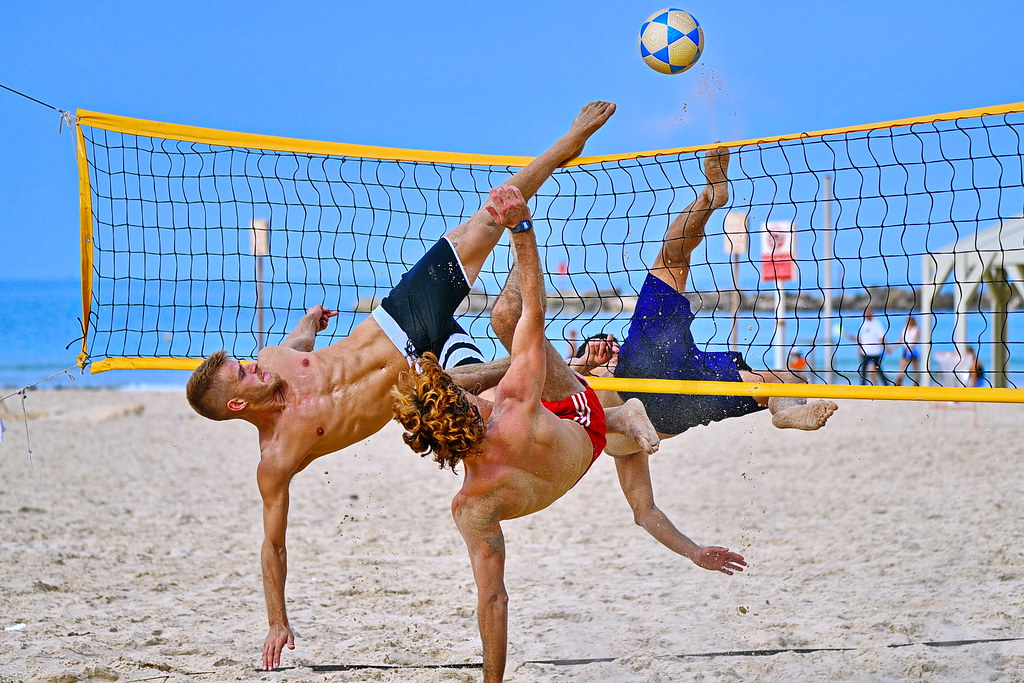
Walk along Barceloneta or Bogatell on a warm evening and you’ll hear it before you see it — the thud of a ball being volleyed back and forth over a net, no hands allowed. Footvolley (futevôlei) has become one of the city’s most visible beach sports, and it’s easy to see why.
What makes footvolley different
- No hands, ever. Just feet, chest, head, and thighs — it rewards control and creativity over raw power.
- Small teams, big skill ceiling. Usually 2v2 on a shortened volleyball-sized court, so every touch matters and pickup games stay fast-paced.
- Beach-native. Barcelona’s long stretch of sand courts means casual nets pop up every weekend from spring through autumn, alongside the more organized club courts.
Where to play in Barcelona
- Platja de la Barceloneta — the busiest strip, informal nets fill up fast on weekend afternoons.
- Platja del Bogatell / Nova Icaria — a bit calmer, popular with regulars who play several times a week.
- Platja de la Mar Bella — known for a more competitive crowd and pickup runs that go late into the evening.
The catch: you still need a team
Footvolley courts fill up with people who already know each other. Turning up solo — or with just one friend — usually means waiting on the sand for a spare pair to show, or not playing at all.
How to actually get a game going
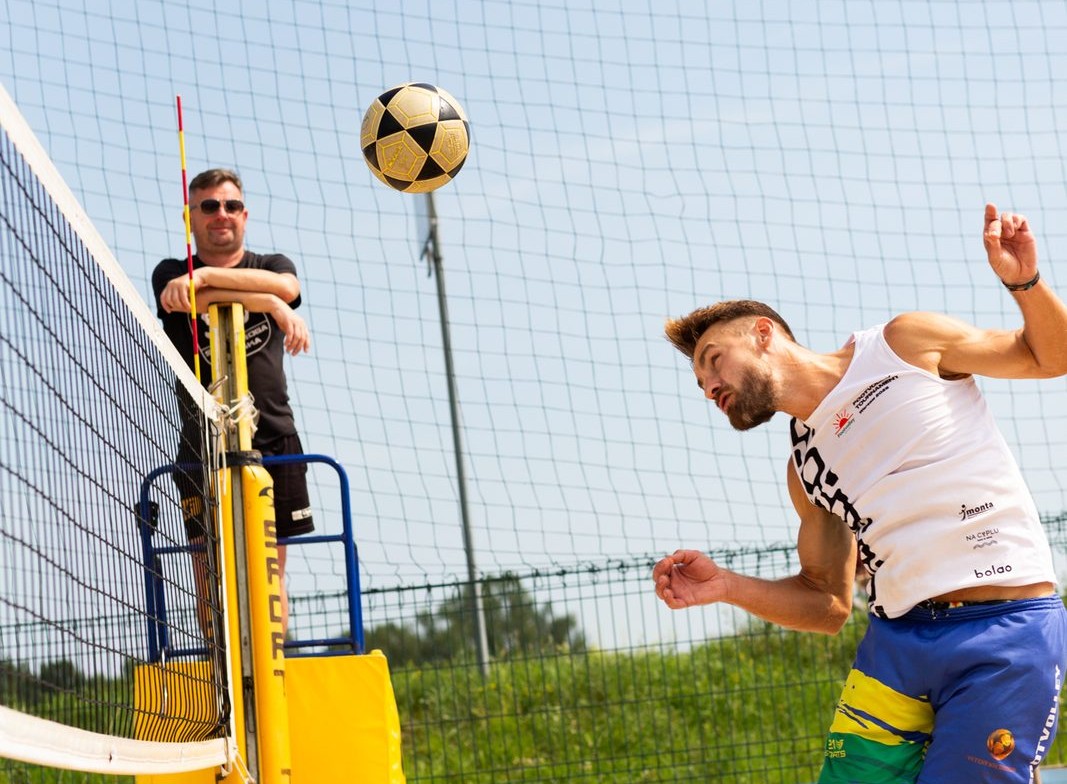
- Be upfront about your level. Footvolley skews technical fast — knowing a few chest traps and volleys versus being a total beginner changes who you should be playing with.
- Look for a regular group, not a one-off. The sport rewards chemistry between partners; a squad you play with weekly beats a different pickup team every time.
- Go local. The nearest beach beats the “better” one across town — footvolley is a drop-everything-after-work sport, and distance kills that.
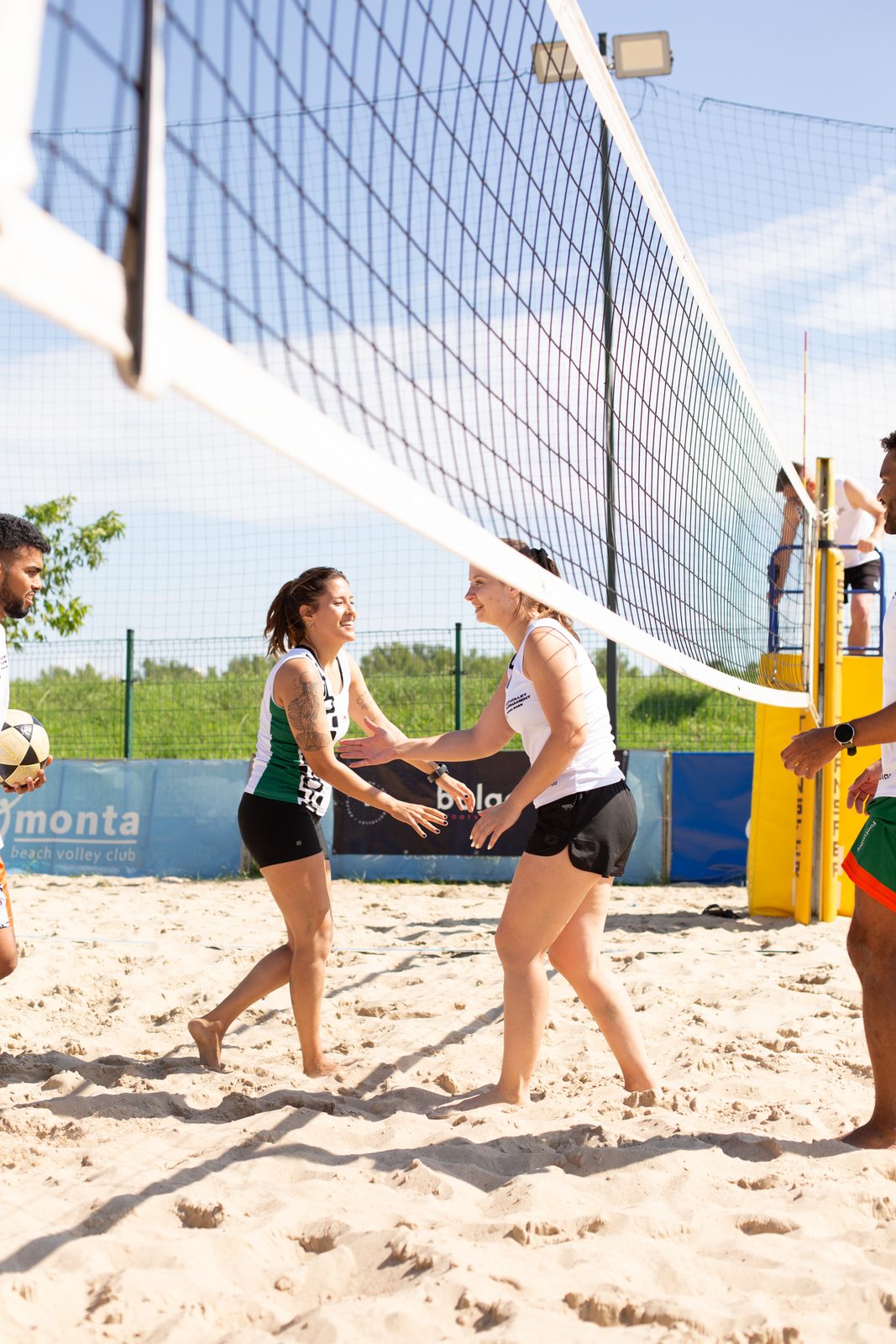
Barcelona has no shortage of sand or sun — the only missing piece is a team. Open FIT-M8 and filter by footvolley near you to find players who are already looking for a fourth.