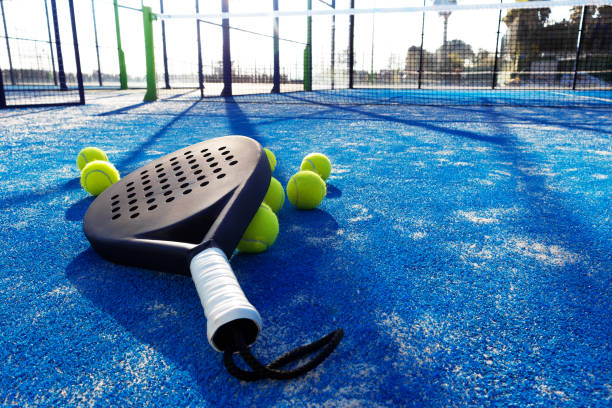
Padel has quietly become one of the fastest-growing racket sports around — easier to pick up than tennis, more social than squash, and built around doubles from day one. But it comes with one obvious catch: you need three other people.
Why it’s exploding
- Low barrier to entry. Smaller court, underarm serve, and the walls keep the ball in play longer — new players can have a fun rally on their first day.
- It’s inherently social. Doubles-only means every session is a small group hang, not a solo grind.
- Short, intense sessions. A match rarely runs much past an hour, which fits into a normal week far more easily than a half-day tournament.

The real bottleneck: finding a fourth
Booking a court is the easy part. The hard part is lining up three other people who are free at the same time and roughly your level — a beginner in a match with three experienced players has a rough time, and so does everyone else on court.
How to actually solve it
- Set your skill level honestly — padel levels move fast in the first few months, so update it as you improve instead of leaving it at “beginner” forever.
- Filter by format — casual weekend padel and competitive league padel attract very different players; being clear up front saves a wasted session.
- Go nearby first — the players most likely to become regulars are the ones close enough that a Tuesday evening game doesn’t feel like a commute.
If your local group chat has gone quiet, open FIT-M8 and filter by padel near you — it’s built for exactly this problem.